
Industry Insights
ReSpark Is Powering ReMA The Show for the Third Year in a Row
ReSpark returns as the powering partner of ReMA The Show 2027, April 12–15 in Nashville. Here’s why we keep coming back, and what we’re bringing this year.

Stories, strategies, and product updates for modern scrap recycling operations.
ReSpark returns as the powering partner of ReMA The Show 2027, April 12–15 in Nashville. Here’s why we keep coming back, and what we’re bringing this year.

ReSpark has acquired ScrapRight, bringing roughly 350 customers across more than 500 locations and 20 years of scrap industry experience into the platform.

The $50 copper and converter cash limit, timestamped photographs of seller and material, the 9 p.m. to 6 a.m. purchasing window, and penalties that reach felony on a third offense.

TDCI registration that expires every two years, the ID and thumbprint record Title 62 Chapter 9 requires, three-year on-site retention, and warrantless inspection.
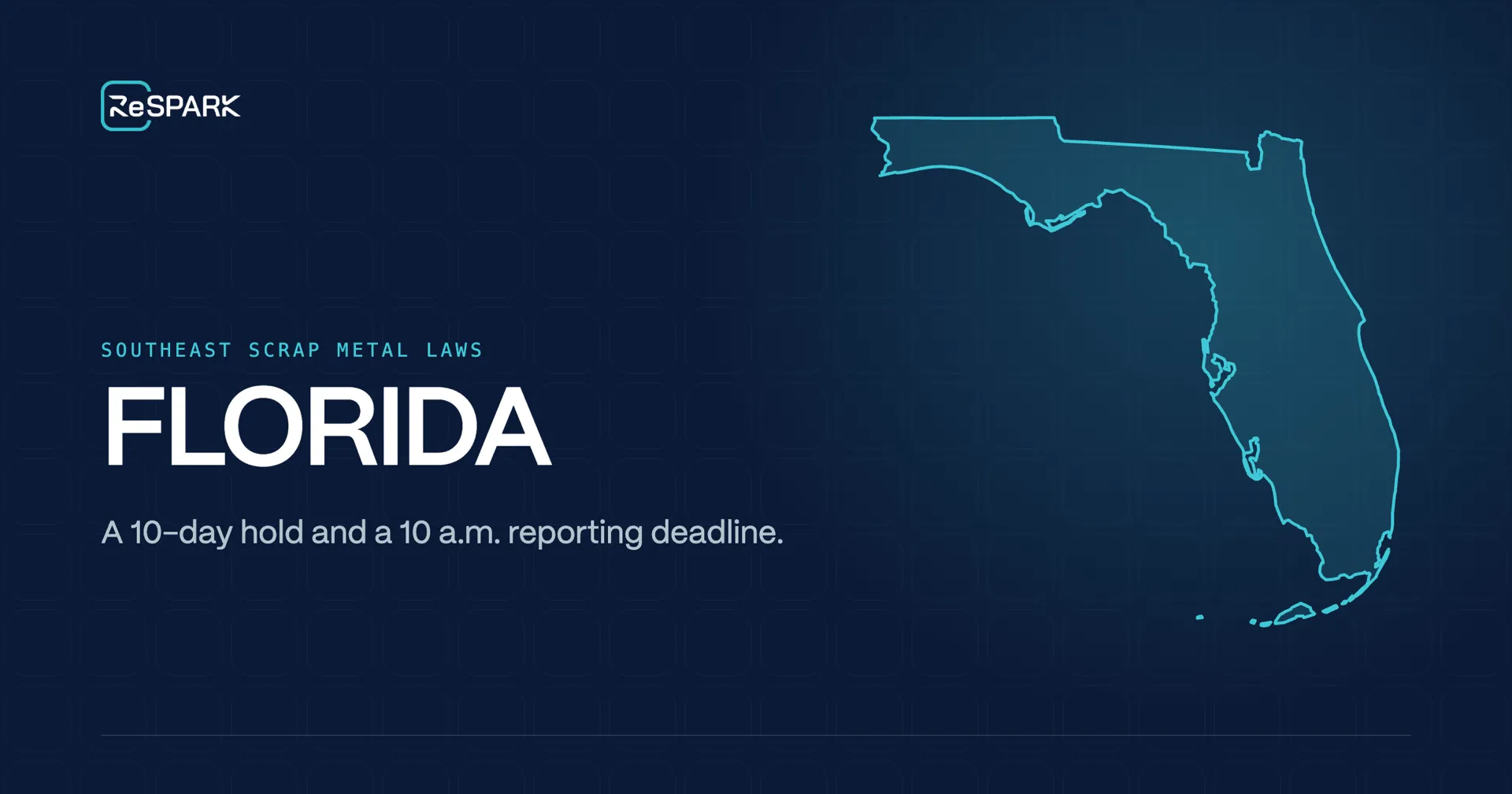
Registration with the Department of Revenue, thumbprint records held three years, transmission to law enforcement by 10 a.m. the next business day, and a 10-business-day hold on converters.

Registration through the sheriff, the nine records §10-1-353 demands, the $100 two-transaction cash cap, and the daily GBI database upload every Georgia recycler owes.

The 24-month sheriff permit, the transport permit your sellers need, the nine records §16-17-680 requires, and why copper, converters and beer kegs can never be cash.
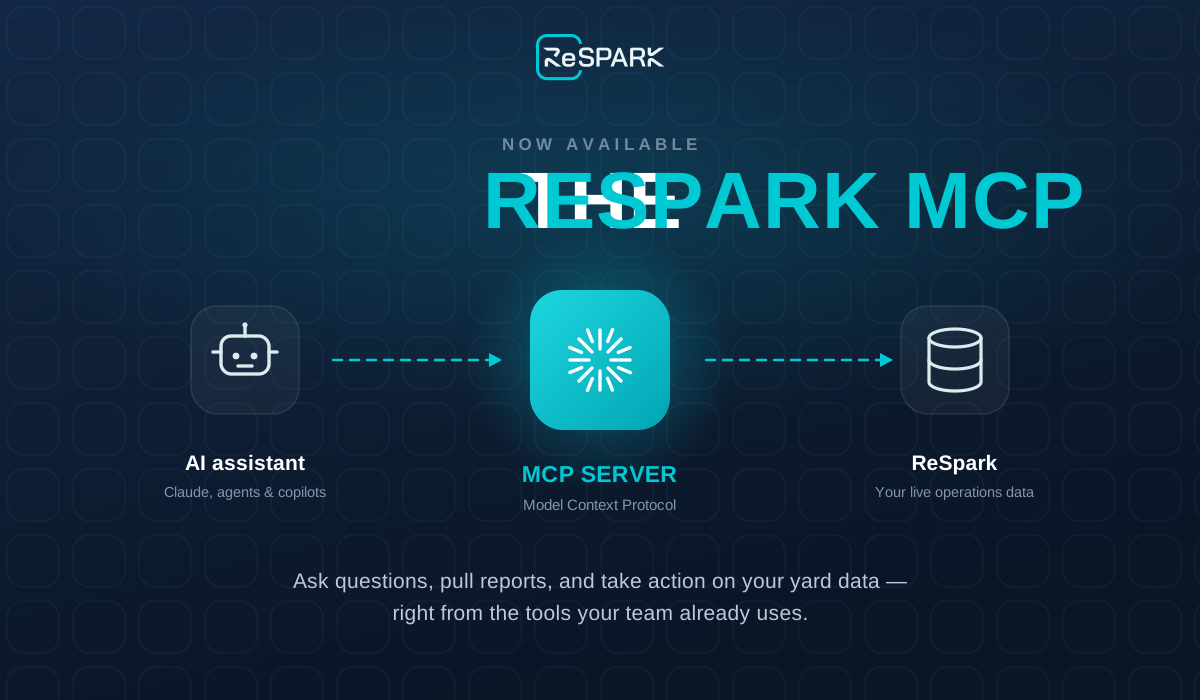
The question isn't which AI platform you choose — it's whether your operational data is ready for it. Why a connected operating platform, and ReSpark MCP, is the real foundation for AI.

UptimePM becomes ReSparkPM — purpose-built tools for asset management, inspections, work orders, preventative maintenance, parts inventory, and maintenance spending, now part of the ReSpark suite.

Sheriff permits, the eight records G.S. 66-421 requires on every ticket, the $100 cash ceiling, converter fingerprints, and two-year retention — what compliance actually costs a North Carolina yard.

The financial, inventory, purchasing, operations, logistics, and commercial metrics that separate recyclers who outperform the market from everyone else.

Sophisticated operators are running multimillion-dollar businesses on software that hasn't meaningfully changed in decades. Why modernizing the tech stack has become a competitive differentiator.

In recycling, the opportunity for AI isn't generating information — it's executing work. Why agentic AI that takes action will define the next era of the industry.
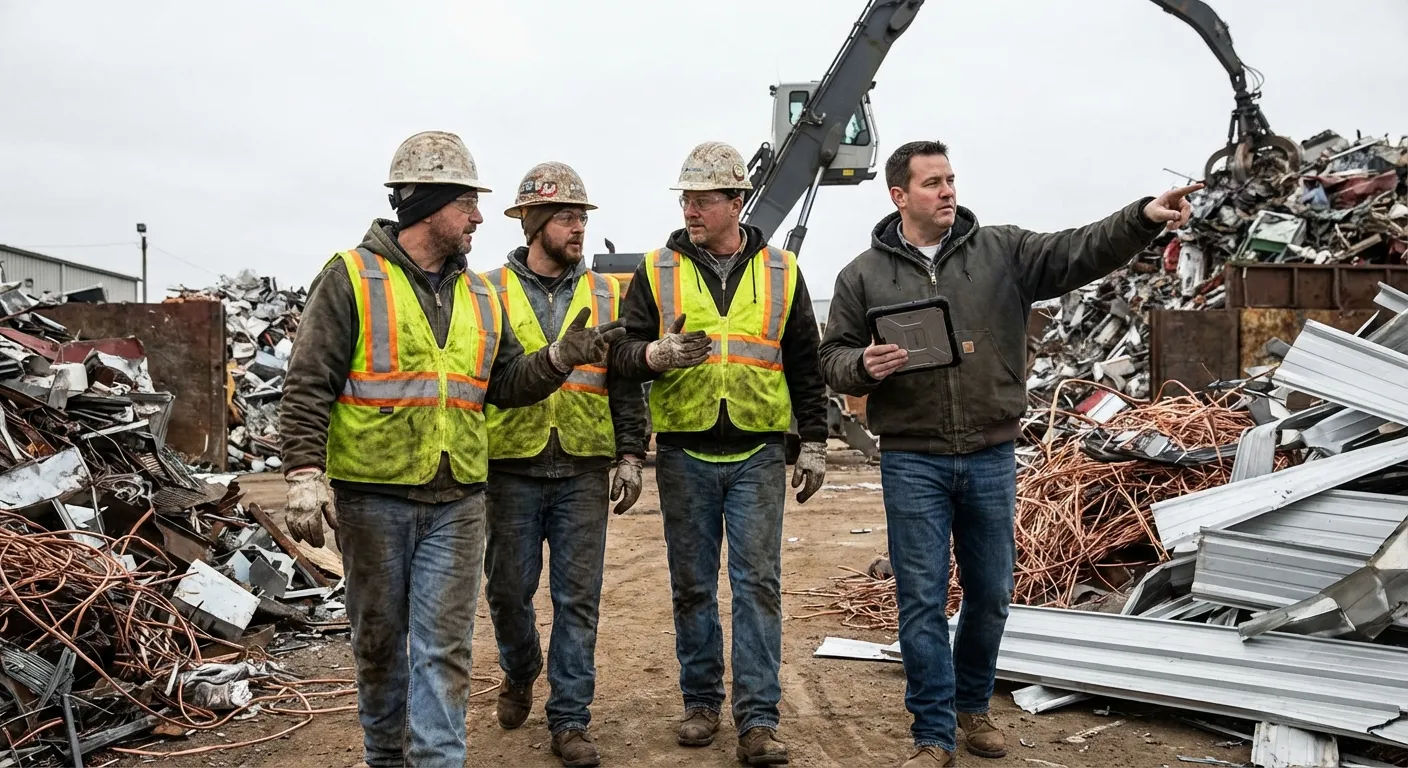
Workforce, inventory, compliance, safety, market volatility, equipment — the operational challenges that compound margin loss in scrap yards, and the structural fixes that keep them in check.

What a yard management system does, the components that make it work, the cost models to expect, and the workflow that ties gates, weighbridges, and dispatch together.
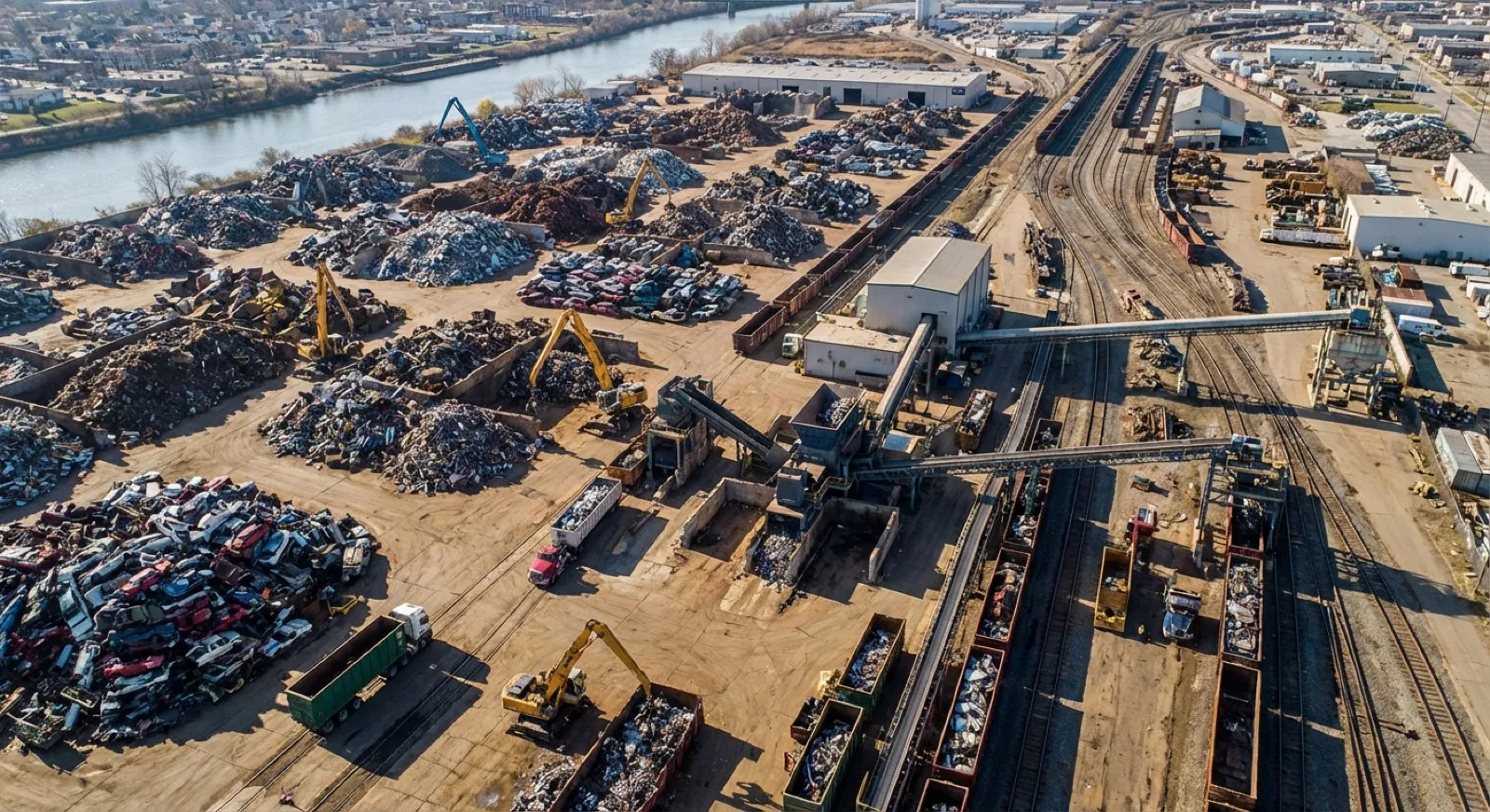
Two modern platforms, one shared vision. The story behind why GreenSpark and ReMatter combined to form ReSpark — and what it means for recyclers who want a single operating system.

How modern inventory systems handle weight-based, grade-based scrap inventory — and the tracking, control methods, and waste-reduction strategies that protect margin.

How scrap metal pricing moves with global demand, what drives yard profitability, and why real-time inventory visibility is the link between the two.
Combined entity serves 1,000-plus facilities with a unified platform purpose-built for metal recyclers. ReSpark brings together two of the most advanced platforms in the scrap yard industry.
No posts match that filter.
Talk to the team. Understand where ReSpark creates real value for your operation.